Choosing the Right Materials for a Long-Lasting Bathroom Renovation

Choosing the Right Materials for a Long-Lasting Bathroom Renovation

Choosing the Right Materials for a Long-Lasting Bathroom Renovation

A bathroom renovation is a major investment, and the choices you make at the planning stage can determine how well it stands the test of time. Beyond style and aesthetics, the materials you select play a crucial role in durability, maintenance, and overall value. At Red Box London, we believe that choosing wisely from the outset ensures your bathroom remains both beautiful and practical for years to come.

Flooring That Withstands Daily Use

Bathrooms are high-traffic, moisture-heavy spaces, so flooring needs to be resilient. Porcelain and ceramic tiles are popular for their water resistance and easy maintenance, while natural stone brings a touch of luxury but requires regular sealing. For those seeking warmth underfoot, engineered timber or vinyl options offer a durable alternative with the look of wood.

Wall Finishes Built to Last

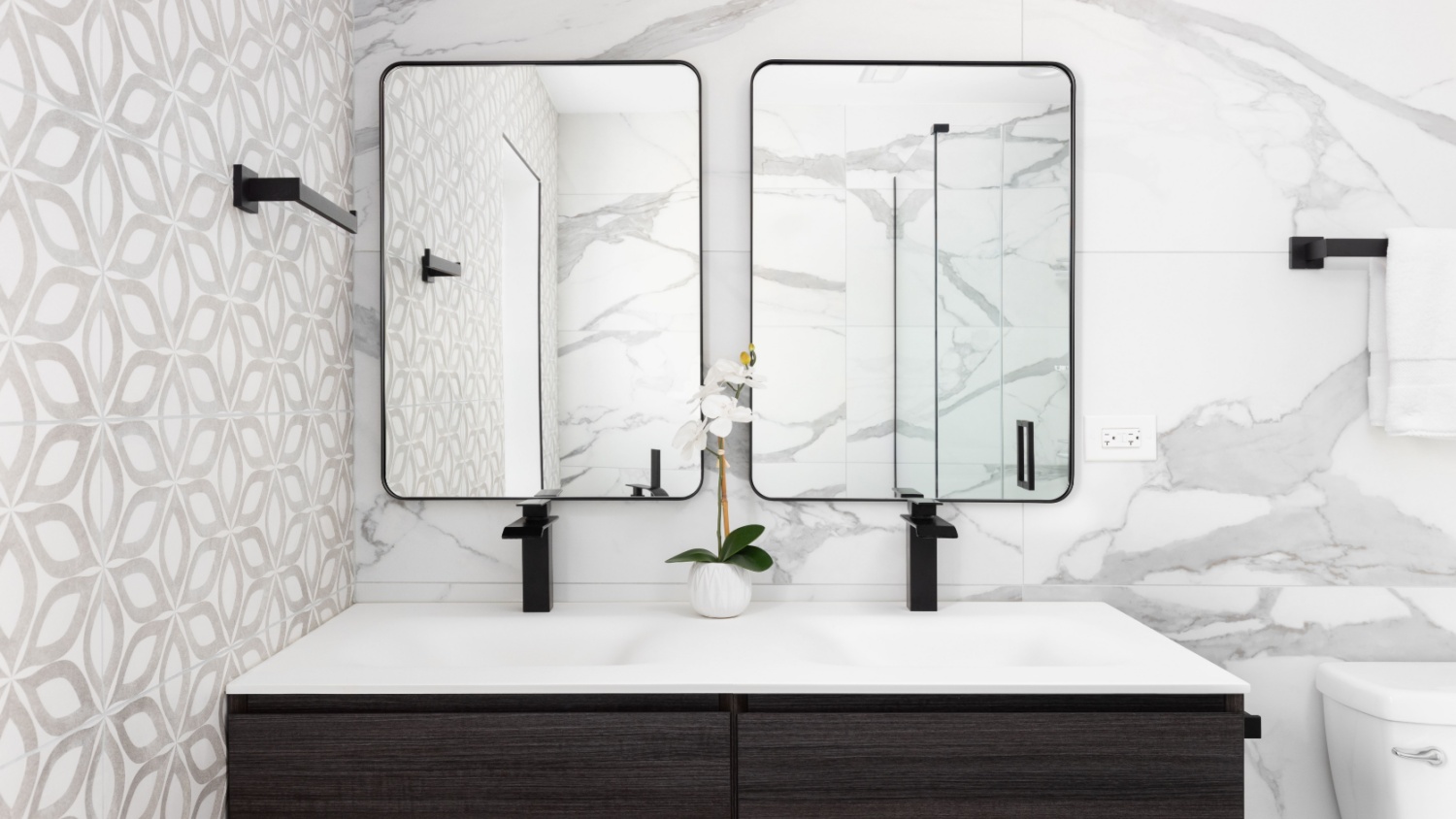
When it comes to walls, durability and water resistance are key. Tiles remain the classic choice, offering endless design possibilities and a wipe-clean finish. For a more contemporary look, waterproof wall panels or microcement finishes provide a seamless, modern aesthetic without compromising longevity.

Worktops and Vanity Units

Worktops in bathrooms need to cope with daily wear, moisture, and frequent cleaning. Quartz and solid surface materials are excellent choices, combining style with stain resistance. Laminate options can provide a more cost-effective solution, while natural stone offers timeless appeal with the right maintenance.[vc_single_image image=”6916″ img_size=”600×400″ css=””][vc_single_image image=”10251″ img_size=”600×400″ css=””]

Fixtures and Fittings

Quality fixtures and fittings make a significant difference over time. Investing in taps, showers, and handles from trusted brands helps avoid early wear and costly replacements. Chrome, brushed nickel, and matte black finishes are not only stylish but also durable when properly maintained.

Storage Solutions

Bathroom furniture should be both practical and hard-wearing. Moisture-resistant MDF or lacquered units protect against swelling, while custom cabinetry allows you to maximise space without compromising durability. Choosing materials designed for bathroom use ensures storage remains functional long after installation.

Designing a Bathroom Built for the Future

A long-lasting bathroom renovation comes down to more than good design, it’s about selecting the right materials for your lifestyle and space. By focusing on durability, water resistance, and ease of maintenance, you can create a bathroom that retains its beauty for years to come. At Red Box London, we help homeowners make informed choices to achieve renovations that are as enduring as they are stylish. Contact us today to discuss your bathroom renovation project and start creating a space built to last.

What are your favourite garden hacks?

Let us know over on Instagram or Facebook

CONTACT RED BOX LONDON

CALL US 02073811539

How to Choose the Right Colour for Woodwork: A Guide for Period Homes

How to Choose the Right Colour for Woodwork A Guide for Period Homes

How to Choose the Right Colour for Woodwork: A Guide for Period Homes

When decorating a period home, every design decision carries weight, none more so than the colour of your woodwork. Skirting boards, architraves, dado rails, doors, and window frames all play an important role in shaping the aspect of your interior. In Georgian, Victorian, and Edwardian properties, these architectural details often take centre stage. So how do you choose the right colour to complement them?

At Red Box London, we specialise in thoughtful home renovations. If you’re restoring or updating a period property, here’s our expert guidance on selecting the right woodwork colour to enhance your home’s original features while reflecting your personal style.

Embrace the Architecture

One of the first things to consider is the architectural period of your home. Georgian interiors often favoured refined symmetry and a muted, classical palette, while Victorian homes embraced deeper tones and bolder contrasts. Edwardian interiors typically blended the two, leaning into lighter schemes with detailed panelling and elegant plasterwork.

Choosing a colour that echoes the historical context of your property can help maintain visual harmony. Soft off-whites, slates, and mid-greys can offer a nod to Georgian restraint, while rich olives, claret reds, or navy blues feel at home in a Victorian drawing room.

Use Colour to Define or Disappear

Colour is a powerful tool when it comes to highlighting or downplaying woodwork. If you want your period detailing to stand out, perhaps ornate skirting or beautifully crafted cornices, opt for a contrasting shade. A deep grey or muted green against a light neutral wall can create a sophisticated, layered look.

On the other hand, if you’d prefer the woodwork to recede and let furnishings or wall finishes take precedence, painting it the same or similar shade as the walls can create a clean, contemporary effect, even in a period home.

Consider Sheen and Finish

Colour is only part of the equation. The finish you choose will influence how the shade reads in your space. Satinwood is a popular choice for its subtle sheen and durability, offering a soft reflection that works well on both modern and traditional woodwork. For a more traditional aesthetic, eggshell finishes offer a lower sheen and a chalkier appearance, which pairs beautifully with period detailing. Gloss, while more reflective, was historically common and can bring a bold, heritage feel when used sparingly.[vc_single_image image=”10197″ img_size=”600×400″ css=””][vc_single_image image=”10901″ img_size=”600×400″ css=””]

Think About Natural Light

The way light moves through a period home can vary greatly depending on room proportions, window size, and ceiling height. North-facing rooms tend to cool colours down, while south-facing spaces will warm them up. Always test your chosen colour in various lighting conditions before committing. What feels like a soft grey in the showroom might look blue under certain lights, or lose impact in shadowed corners.

Blend Old with New

You don’t need to be historically exact to honour your property’s heritage. Many of our clients opt for a blend of classic and contemporary, perhaps painting original panelling in a fresh neutral or choosing a tonal scheme that modernises the space while preserving its bones. The key is balance: working with the home rather than against it.

Ready to Redefine Your Woodwork?

At Red Box London, we understand the subtleties of decorating period homes. Whether you’re restoring original features or updating your space with a more modern scheme, we can help you make informed choices. Looking to renovate your period property with care and expertise? Get in touch with our team to discuss your project.

What are your favourite garden hacks?

Let us know over on Instagram or Facebook
CONTACT RED BOX LONDON

CALL US 02073811539

How to Navigate NIMBYs and Planning Challenges to Build Your Dream Home Extension

The Benefits of Hiring Professionals for Your Interior Home Painting Project

How to Navigate NIMBYs and Planning Challenges to Build Your Dream Home Extension

Extending your home is one of the most rewarding ways to create additional space, increase property value, and enhance everyday living. However, the process isn’t always straightforward. Planning policies, local authority regulations, and concerned neighbours can all present unexpected challenges along the way.At Red Box London, we specialise in delivering high-quality home extensions across London,  and we understand the importance of navigating these complexities with clarity and confidence. Here’s how to move forward with your vision, even when facing planning resistance or neighbour objections.

1. Understand What You Can Build from the Outset

Before submitting a single drawing, it’s essential to determine what is achievable under permitted development rights. These allow certain types of extensions, such as single-storey rear or loft conversions, to proceed without formal planning permission, provided specific criteria are met.

Our architectural team can assess your property’s potential and advise on how to maximise space while staying within the permitted parameters, saving you both time and stress.

2. Engage Experienced Professionals Early

Working with a team familiar with your local borough’s planning policies is key. Every council has slightly different approaches to design, scale, and impact, and even well-designed proposals can be delayed without the right preparation.

At Red Box London, we prepare and submit planning applications with a comprehensive understanding of what each authority expects, helping reduce the risk of refusals or delays.

3. Proactively Address Neighbour Concerns

Neighbour objections – whether reasonable or unfounded, can influence planning outcomes. While you are not obligated to gain neighbour approval, open communication and clear presentation of your plans can ease concerns and minimise resistance.

We recommend sharing your vision early, supported by professional drawings and visualisations, to demonstrate how your extension has been thoughtfully designed with minimal impact on surrounding properties.

4. Anticipate Common Planning Objections

Planning departments often focus on issues such as scale, privacy, overshadowing, and the character of the local area. By understanding these priorities, we tailor designs that meet your needs while satisfying planning requirements.

This includes appropriate setbacks, use of sympathetic materials, and attention to height, massing, and boundary lines,  all of which strengthen your application.[vc_single_image image=”10395″ img_size=”600×400″ css=””][vc_single_image image=”10452″ img_size=”600×400″ css=””]

5. Be Prepared to Challenge Decisions When Necessary

If your application is refused, there are still options available. Many refusals are successfully overturned on appeal, particularly when supported by strong design justification and planning expertise.

Our team has experience managing appeals and negotiating revised schemes, ensuring you are fully supported at every stage.

6. Find the Right Balance Between Ambition and Practicality

Great design often comes from strategic compromise. In some cases, subtle adjustments, such as lowering a roofline, modifying glazing, or repositioning walls, can address planning concerns or neighbour objections without significantly altering your vision.

We work collaboratively with you to find design solutions that retain the integrity of your plans while improving the likelihood of approval.

Build with Confidence

Creating your ideal home should not be hindered by red tape or local politics. With a clear understanding of the process, proactive communication, and the support of an experienced team, it’s entirely possible to build the extension you’ve envisioned – even in challenging planning environments.

Red Box London provides a full-service approach to home extensions, from concept and design to planning, construction, and completion. We work closely with homeowners throughout London to deliver exceptional spaces, with minimal disruption and maximum peace of mind.

Ready to move forward with your dream extension? Contact our team today to arrange a consultation and take the first step.

What are your favourite garden hacks?

Let us know over on Instagram or Facebook
CONTACT RED BOX LONDON

CALL US 02073811539

The Benefits of Hiring Professionals for Your Interior Home Painting Project

The Benefits of Hiring Professionals for Your Interior Home Painting Project

The Benefits of Hiring Professionals for Your Interior Home Painting Project

A fresh coat of paint can do wonders for your home, brightening rooms, updating tired spaces, and adding a personal touch. While many homeowners consider painting a DIY task, the reality is that achieving a flawless, long-lasting finish requires more than just a brush and a tin of paint. At Red Box London, we specialise in high-quality interior home painting that transforms spaces with care and precision. Here’s why choosing professionals is a smart investment.

1. Superior Finish and Attention to Detail

Professional painters know how to achieve an immaculate, even finish, free from streaks, drips, or missed edges. From perfect cut-in lines to seamless coverage, our team delivers results that elevate the overall feel of your interiors. We also understand how different surfaces respond to various paint types and finishes, ensuring a polished outcome every time.

2. Proper Preparation

The secret to a high-quality paint job lies in the preparation. Our team thoroughly assesses the condition of your walls, addressing cracks, holes, flaking, or damp before applying any paint. Sanding, priming, and protecting floors and furnishings are all part of our meticulous prep work, something often overlooked in DIY attempts.

3. Time-Saving and Stress-Free

Painting an entire room, or a whole house, can be time-consuming and disruptive. Hiring professionals allows you to sit back while the job is completed efficiently, cleanly, and with minimal mess. At Red Box London, we work to agreed timelines and leave your home spotless at the end of each day.

4. Expert Advice on Colours and Finishes

With endless colour choices and finish options available, it can be overwhelming to decide what will work best in your space. Our team can offer tailored advice based on lighting, room function, and style preferences, helping you make confident, informed decisions.[vc_single_image image=”10395″ img_size=”600×400″ css=””][vc_single_image image=”10452″ img_size=”600×400″ css=””]

5. Long-Lasting Results

Professional painters use premium materials, expert techniques, and the right number of coats to ensure a durable finish that stands the test of time. Our work resists wear, fading, and peeling, saving you money and effort on future touch-ups.

6. Fully Insured and Guaranteed

Red Box London offers peace of mind through comprehensive insurance and guaranteed workmanship. You’re not just hiring a painter, you’re engaging a team that values quality, safety, and your satisfaction.

Transform Your Interiors with Red Box London


Whether you’re updating a single room or renovating your entire home, our professional interior home painting services bring precision, style, and reliability to every project. Contact us today to arrange a consultation and discover how Red Box London can bring your vision to life, with no stress and no compromise on quality.

What are your favourite garden hacks?

Let us know over on Instagram or Facebook
CONTACT RED BOX LONDON

CALL US 02073811539

How Property Renovation Can Boost the Value of Your London Home

How Property Renovation Can Boost the Value of Your London Home

How Property Renovation Can Boost the Value of Your London Home

In a city as competitive and fast-moving as London, property owners are always looking for ways to make their homes stand out, whether for their own enjoyment or to increase market value. One of the most effective ways to do this is through thoughtful, well-executed property renovation. From kitchen upgrades to loft conversions and full-home refurbishments, strategic improvements can significantly boost the value of your home and deliver a solid return on investment.

Here’s how targeted renovations can add value to your property:

  1. Kitchen Remodels: Bespoke Transformation

The kitchen is one of the most important spaces in any home and potential buyers often view it as a deciding factor. A modern, functional, and stylish kitchen can dramatically enhance the aspect of your home. Upgrading worktops, cabinetry, appliances, and layout not only improves usability but can also add up to 10–15% to your property’s value. At Red Box London, we create bespoke kitchen spaces customised to your requirements, combining practicality with design-led finishes.

  1. Extensions: More Space, More Value

Adding extra square footage is one of the most impactful ways to increase your home’s worth. Whether it’s a rear kitchen extension, a side-return addition, or even a double-storey build, extending your living space can unlock new functionality and transform how you use your home. Depending on the size and quality of the extension, homeowners in London can see returns of 15–20% or more. We ensure every extension we design complements the existing architecture and feels like a seamless part of your home.

  1. Loft Conversions: Maximise Unused Space

A loft conversion is a smart investment, especially in urban areas like London where outdoor space is limited. Creating an additional bedroom, home office, or en-suite loft suite can be both cost-effective and valuable. Research shows a well-planned loft conversion can add up to 20% to a home’s value, especially if it creates a functional third or fourth bedroom. At Red Box, we handle all aspects, from planning permission and structural work to interior finishes, for a smooth, end-to-end service.[vc_single_image image=”10394″ img_size=”600×400″ css=””][vc_single_image image=”10224″ img_size=”600×400″ css=””]

  1. Bathroom Upgrades: Small Changes, Big Impact

Renovating your bathroom doesn’t have to mean a full overhaul to make a difference. Upgrading fixtures, installing modern tiling, improving lighting, and adding underfloor heating can elevate the look and feel of your bathroom and your home. Stylish, well-designed bathrooms are always a draw for buyers, and even small improvements can offer a good return on investment.

  1. Full-Property Refurbishment: A Complete Transformation

Sometimes, a full-property renovation is the best route, particularly for older or neglected homes. Bringing the entire property up to modern standards, from reconfiguring layouts and updating electrics to improving insulation and introducing contemporary finishes can significantly increase value and appeal. It also allows you to create a cohesive design throughout the home, tailored to how you live. At Red Box London, our refurbishment projects are carefully managed to enhance both lifestyle and resale potential.

Renovate with Purpose, Sell with Confidence

Property renovation isn’t just about aesthetics, it’s about creating a more functional, enjoyable, and valuable home. Whether you’re preparing to sell or simply want to invest in your future, the right improvements can pay dividends. At Red Box London, we help homeowners make informed decisions and deliver results that last.

Thinking of renovating your home? Get in touch with our expert team to discuss how we can help boost the value of your London property through high-quality, design-led renovation.

What are your favourite garden hacks?

Let us know over on Instagram or Facebook
CONTACT RED BOX LONDON

CALL US 02073811539

How to Plan Your Kitchen Renovation: Key Decisions to Consider

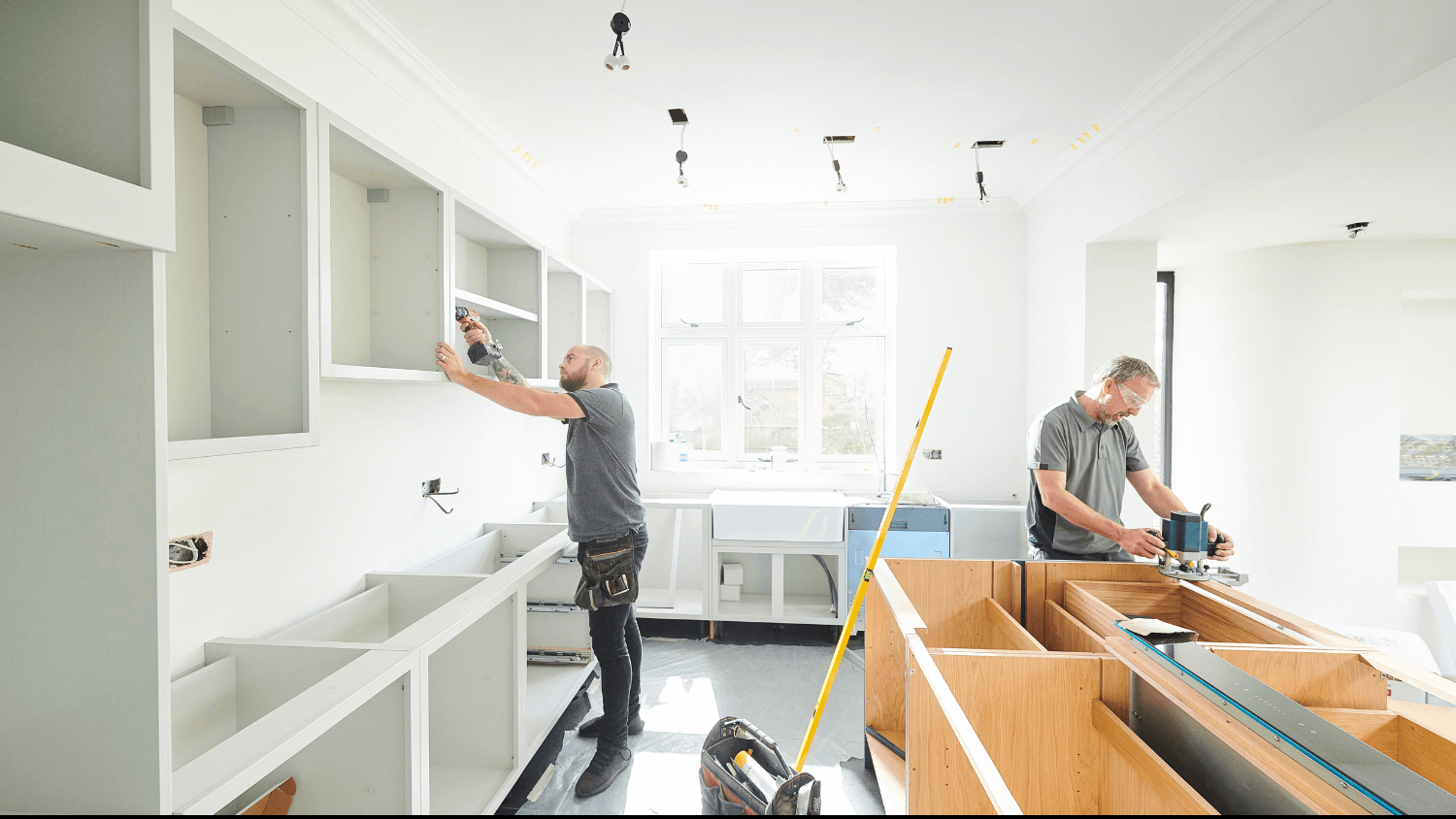
Kitchen Installation

How to Plan Your Kitchen Renovation: Key Decisions to Consider

A kitchen renovation is one of the most exciting home improvement projects, offering the opportunity to create a space that is both functional and stylish. However, to achieve a successful result, careful planning is essential. From choosing the right layout to selecting materials and finishes, every decision impacts the overall outcome. At Red Box London, we specialise in kitchen renovations, ensuring a smooth process that delivers stunning results. Here are the key decisions to consider when planning your kitchen renovation.

1. Define Your Goals and Budget

Before starting any renovation, it’s important to identify what you want to achieve. Are you looking to improve functionality, increase storage, or create a more open-plan layout? Understanding your priorities will help guide design choices and prevent unnecessary expenses.

Equally important is setting a realistic budget. Consider costs for materials, labour, appliances, and any unexpected expenses. A well-planned budget ensures you make informed decisions without overspending.

2. Choose the Right Layout

The layout of your kitchen influences how efficiently you use the space. Common kitchen layouts include:

  • Galley kitchens – Ideal for smaller spaces, offering a streamlined design.
  • L-shaped kitchens – Maximises corner space and allows for better movement.
  • U-shaped kitchens – Provides plenty of worktop and storage space, great for larger kitchens.
  • Open-plan kitchens – Perfect for modern homes, creating a social space that connects with dining and living areas.

Think about how you use your kitchen daily and choose a layout that best suits your preferences.

3. Select High-Quality Materials and Finishes

The materials you choose will determine the durability and style of your kitchen. When selecting worktops, cabinetry, and flooring, consider:

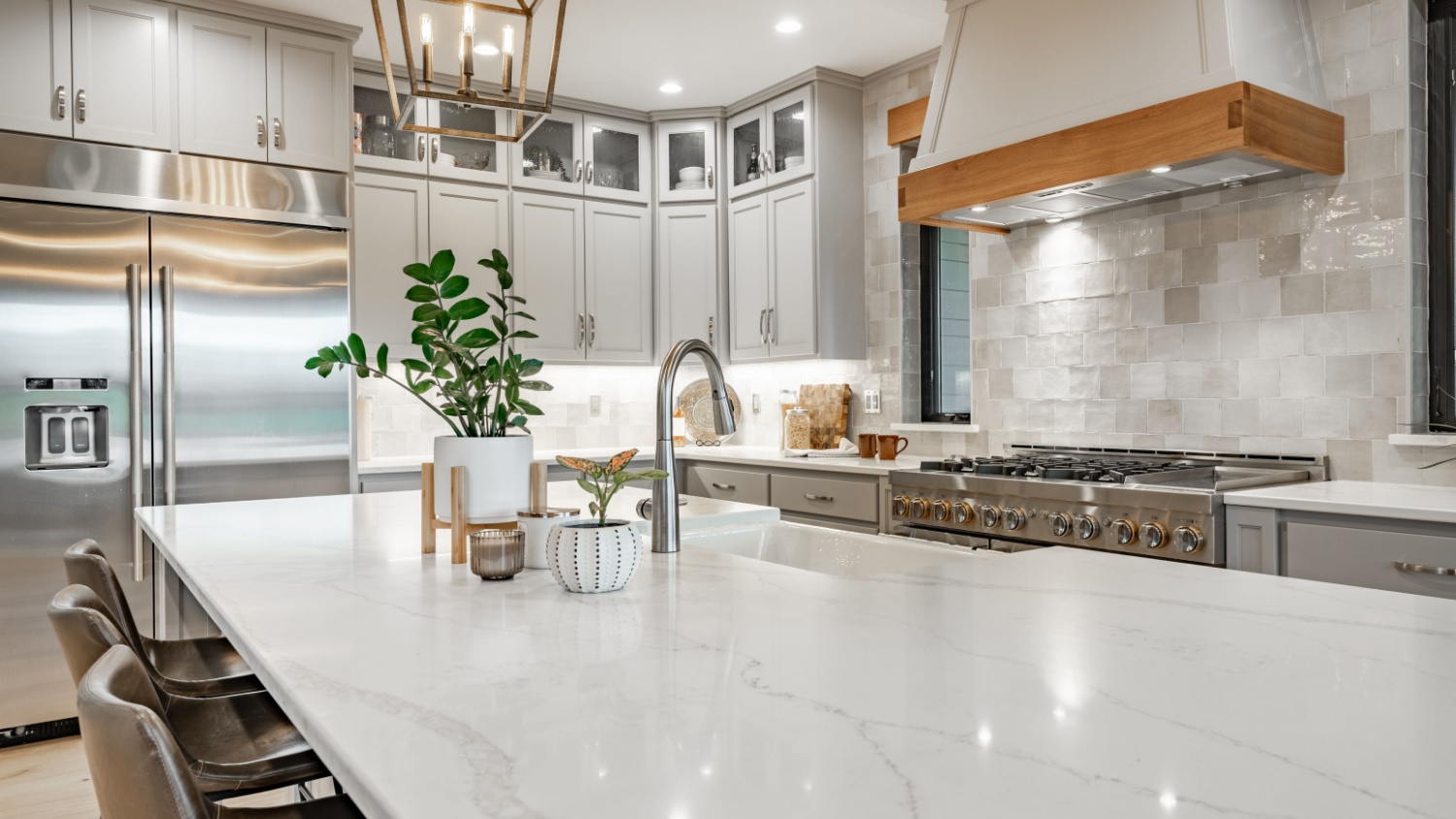
  • Worktops – Options like quartz, granite, and solid wood offer a balance of durability and aesthetics.
  • Cabinetry – Choose between painted, laminated, or solid wood finishes based on your design preference and budget.
  • Flooring – Materials such as tiles, vinyl, or engineered wood are popular for their practicality and ease of maintenance.

Investing in high-quality materials ensures longevity and enhances the overall value of your home.

4. Plan for Ample Storage

Storage plays a vital role in maintaining a clutter-free and organised kitchen. Smart storage solutions include:

  • Deep drawers – Ideal for pots, pans, and bulky kitchenware.
  • Pull-out shelves – Makes it easy to access items stored in lower cabinets.
  • Integrated appliances – Saves space and enhances a seamless design.
  • Wall-mounted shelving – Provides extra storage without taking up floor space.

Maximising storage will keep your kitchen functional and visually appealing.[vc_single_image image=”11083″ img_size=”600×400″ css=””][vc_single_image image=”7685″ img_size=”600×400″ css=””]

5. Choose the Right Appliances

Selecting the right appliances is key to creating a practical and efficient kitchen. Consider factors such as energy efficiency, size, and placement. Built-in appliances create a sleek and modern look, while freestanding options allow for more flexibility. Key appliances to plan for include:

  • Ovens and hobs
  • Refrigerators
  • Dishwashers
  • Extractor fans
  • Microwaves

Ensure that your appliances fit well within your chosen layout and complement the overall design.

6. Focus on Lighting Design

Lighting can transform the look and functionality of your kitchen. A well-planned lighting scheme should include:

  • Task lighting – Focused lights under cabinets or above worktops for food preparation.
  • Ambient lighting – Overhead lighting that creates a welcoming atmosphere.
  • Accent lighting – Features like LED strip lights inside cabinets or plinth lighting for added style.

A combination of these lighting types enhances both the practicality and aesthetics of your kitchen.

7. Select a Colour Scheme and Style

The colour palette and design style set the overall tone of your kitchen. Consider whether you want a modern, minimalist, traditional, or industrial look. Neutral tones create a timeless feel, while bold colours can add personality. Ensure that cabinetry, worktops, and flooring complement each other for a cohesive design.

8. Work with Professional Kitchen Fitters

A kitchen renovation involves various trades, including plumbing, electrical work, carpentry, and tiling. Working with experienced professionals like Red Box London ensures that everything is installed correctly, safely, and to a high standard. A professional team will also help navigate any unexpected challenges that arise during the renovation process.

Start Planning Your Kitchen Renovation Today

Planning a kitchen renovation requires careful thought and expert guidance. At Red Box London, we provide bespoke kitchen renovation services, helping homeowners create beautifully designed and highly functional kitchens. From concept to completion, our team ensures a seamless process, delivering results that enhance your home.

If you’re considering a kitchen renovation, get in touch with Red Box London today to discuss your project and turn your vision into reality.[vc_single_image image=”7033″ img_size=”600×400″ css=””]

CONTACT RED BOX LONDON

CALL US 02073811539

Common Challenges in Loft Conversions and How to Overcome Them

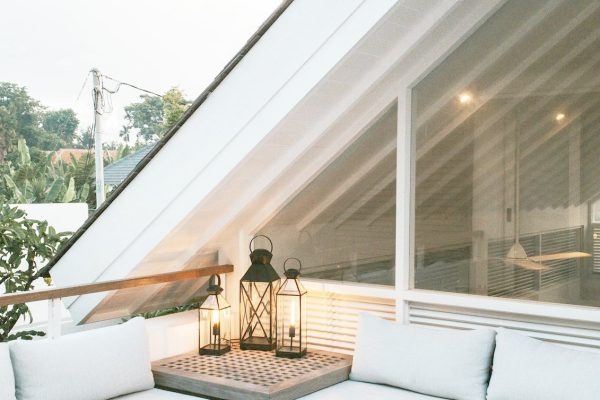
Loft conversion under a sloped ceiling with a roof window, showing typical eaves head height

Common Challenges in Loft Conversions and How to Overcome Them

Loft conversions are one of the most popular ways to increase living space and add value to your home. They are an excellent solution for growing families, creating a home office, or adding a luxurious master suite. However, as exciting as the idea may be, converting a loft is no small undertaking. From planning permissions to structural challenges, there are several hurdles to overcome. Here, we explore the most common challenges homeowners face during loft conversions and provide practical solutions to ensure a smooth process.

1. Assessing Structural Integrity

Before starting a loft conversion, it is crucial to assess whether your existing structure can support the additional weight. Older properties, in particular, may require reinforcement of the floor joists or roof structure to ensure safety and compliance with building regulations.

How to Overcome It: Hire a structural engineer to conduct a thorough assessment. They can recommend reinforcements or adjustments to make your loft structurally sound. Working with experienced professionals ensures the work meets all necessary standards.

2. Maximising Ceiling Height

One of the most significant challenges in a loft conversion is ensuring there is enough headroom. Building regulations typically require a minimum ceiling height of 2.2 metres for a habitable room. In some cases, the existing loft may fall short of this requirement.

How to Overcome It: Options to maximise headroom include lowering the ceiling of the floor below, raising the roof, or opting for dormer windows. Consulting with a skilled architect can help you determine the most feasible and cost-effective solution for your property.

3. Obtaining Planning Permission

While many loft conversions fall under permitted development rights, certain projects may require planning permission. This is particularly true for properties in conservation areas or if the proposed design significantly alters the property’s exterior.

How to Overcome It: Research your local council’s planning guidelines and work with a professional who understands the requirements. Submitting detailed plans and ensuring the design is sympathetic to the surrounding area can improve the chances of approval.

4. Addressing Insulation and Ventilation

Proper insulation and ventilation are essential for creating a comfortable and energy-efficient loft space. Poor insulation can lead to excessive heat loss in winter and overheating in summer, while inadequate ventilation can cause condensation and damp issues.

How to Overcome It: Use high-quality insulation materials and ensure they are installed correctly. Incorporate ventilation systems, such as roof vents or mechanical ventilation with heat recovery (MVHR), to maintain good air circulation and regulate temperature.[vc_single_image image=”7173″ img_size=”600×400″ css=””][vc_single_image image=”10021″ img_size=”600×400″ css=””]

5. Dealing with Plumbing and Utilities

Integrating plumbing and utilities into a loft conversion can be complicated, particularly if you are adding an en-suite bathroom or relocating heating systems. Routing pipes and electrical wiring through the property requires careful planning.

How to Overcome It: Engage professional plumbers and electricians early in the process. Ensure they work closely with your builder or contractor to plan the layout efficiently and avoid unnecessary disruptions to the rest of the property.

6. Managing Budget Constraints

A loft conversion is a significant investment, and unforeseen challenges can lead to cost overruns. From unexpected structural issues to additional finishes, the budget can quickly spiral out of control if not managed effectively.

How to Overcome It: Set a realistic budget that includes a contingency fund for unexpected expenses. Obtain detailed quotes from reputable contractors and maintain open communication throughout the project to avoid hidden costs.

Conclusion

Loft conversions can transform your home and add significant value, but they require careful planning and expert execution to overcome the common challenges involved. By working with experienced professionals and addressing potential issues early, you can ensure your loft conversion is a seamless and rewarding experience. If you’re considering a loft conversion, get in touch with our trusted team at Red Box to guide you every step of the way.[vc_single_image image=”10306″ img_size=”600×400″ css=””]

CONTACT RED BOX LONDON

CALL US 02073811539

The Top Interior Decorating Trends to Elevate Your Home in 2025

The Top Interior Decorating Trends to Elevate Your Home in 2025

The Top Interior Decorating Trends to Elevate Your Home in 2025

Interior decorating continues to evolve, blending timeless aesthetics with contemporary innovation. At Red Box London, we pride ourselves on delivering design solutions that harmonise style and practicality. As we step into 2025, let’s explore the top interior decorating trends set to transform your home into a stylish sanctuary.

1. Sustainable and Eco-Friendly Design

Sustainability is more than a buzzword; it’s a lifestyle choice. From furniture made with reclaimed materials to energy-efficient lighting, eco-friendly design is a must-have for modern homes. Choose paints with low VOC emissions and integrate natural textures such as bamboo, cork, and jute to create a harmonious, earth-conscious living space.

2. Warm Neutrals with a Pop of Colour

Neutral tones like taupe, beige, and greige remain a staple in interior decorating, but 2025 is about adding unexpected splashes of colour. Think accent walls in shades of terracotta, emerald green, or navy blue. These vibrant touches provide a fresh contrast while maintaining an inviting atmosphere.

3. Multifunctional Spaces

With more people working and studying from home, multifunctional rooms are gaining prominence. From open-plan living areas that double as home offices to cleverly designed storage solutions, creating versatile spaces ensures your home adapts to your needs. Built-in shelving, fold-away desks, and modular furniture are excellent additions.

4. Bold Statement Lighting

Lighting is no longer just functional; it’s a design feature. Oversized pendant lights, sculptural floor lamps, and LED strips are popular choices for adding drama and personality to your interiors. Use layered lighting to create depth and enhance the mood of each room.[vc_single_image image=”10416″ img_size=”600×400″ css=””][vc_single_image image=”10428″ img_size=”600×400″ css=””]

5. Biophilic Elements

Bringing the outdoors in has never been more stylish. Biophilic design focuses on connecting interiors with nature. Add lush indoor plants, living green walls, or nature-inspired art to create a serene and refreshing environment. These elements not only improve air quality but also promote wellbeing.

6. Texture-Rich Decor

Textures play a crucial role in adding depth and character to a space. In 2025, tactile materials like boucle, velvet, and linen are on-trend. Layer these fabrics across cushions, throws, and upholstery for a cosy and sophisticated look. Pair them with sleek surfaces like glass or metal for a balanced aesthetic.

7. Minimalist Luxury

Less is more when it comes to achieving understated elegance. Decluttered spaces, clean lines, and high-quality materials define minimalist luxury. Opt for furniture with simple designs and focus on quality over quantity. A few carefully chosen decor pieces can elevate the overall aesthetic.

8. Artisan and Handcrafted Pieces

Mass-produced items are giving way to unique, handcrafted decor. Think bespoke furniture, handwoven rugs, and artisan ceramics. These pieces add a personal touch to your home while supporting independent craftsmen and sustainable practices.

Bringing Your Vision to Life

At Red Box London, we understand the importance of creating a home that reflects your personality and lifestyle. Whether you’re looking to refresh a single room or reimagine your entire space, our expert team is here to guide you every step of the way.

Get in touch today to discuss how we can help you embrace these exciting trends and transform your home into a haven of style and comfort.[vc_single_image image=”10235″ img_size=”600×400″ css=””]

CONTACT RED BOX LONDON

CALL US 02073811539

Eco-Friendly Renovations: Sustainable Upgrades for Your Home

Eco-Friendly Renovations Sustainable Upgrades for Your Home

Eco-Friendly Renovations: Sustainable Upgrades for Your Home

In today’s world, sustainability is no longer just a trend; it’s a responsibility. Whether you’re planning a complete home overhaul or a smaller-scale renovation, incorporating eco-friendly practices can make a significant impact. At Red Box London, we’re passionate about creating homes that are not only beautiful but also environmentally conscious. Here, we explore sustainable upgrades you can implement in your next renovation project.

Why Choose Eco-Friendly Renovations?

Eco-friendly renovations aren’t just about reducing your carbon footprint. They can also lower your energy bills, improve the longevity of your home, and even boost property value. With thoughtful planning and quality craftsmanship, sustainable choices can seamlessly blend style and functionality.

1. Energy-Efficient Windows and Doors

Replacing old windows and doors with energy-efficient alternatives can make a remarkable difference. Double or triple-glazed windows help to insulate your home, reducing heat loss in winter and keeping it cool in summer. Look for materials with high thermal performance and low U-values for maximum efficiency.

2. Sustainable Flooring Options

Opt for renewable materials like bamboo, cork, or reclaimed wood for your flooring. These materials are not only durable but also bring a natural aesthetic to your interiors. Pair them with eco-friendly finishes that are free from harmful chemicals to enhance sustainability.

3. Insulation That Saves Energy

Proper insulation is essential for maintaining a comfortable indoor environment and reducing energy consumption. Materials such as sheep’s wool, cellulose, or recycled denim offer excellent insulation while being kinder to the planet.[vc_single_image image=”10338″ img_size=”600×400″ css=””][vc_single_image image=”10187″ img_size=”600×400″ css=””]

4. Solar Energy Solutions

If your home gets plenty of sunlight, consider installing solar panels. While the initial investment might seem steep, the long-term benefits of reduced energy bills and potential government incentives make it worthwhile. Solar energy is a powerful step towards self-sufficiency.

5. Water-Saving Fixtures

Incorporate fixtures like low-flow taps, showerheads, and dual-flush toilets to reduce water consumption. These upgrades are cost-effective and play a significant role in conserving water without compromising on functionality or style.

6. Eco-Friendly Paints and Finishes

Conventional paints often contain volatile organic compounds (VOCs) that are harmful to the environment and indoor air quality. Eco-friendly paints, available in a variety of colours and finishes, offer a safer and greener alternative.

7. Upcycling and Reusing Materials

Give a second life to old furniture, tiles, or timber. By incorporating reclaimed materials into your renovation, you can create unique design features while minimising waste. This approach adds character to your home and reduces the demand for new resources.

8. Smart Home Technology

Integrating smart systems into your home can enhance energy efficiency. Automated lighting, thermostats, and appliances can optimise energy usage and lower your bills. These technologies offer convenience while reducing your environmental impact.

Partner with Experts in Sustainable Renovations

At Red Box London, we understand that eco-friendly renovations require attention to detail and a commitment to quality. Our team is dedicated to delivering bespoke solutions tailored to your needs, ensuring your renovation is as sustainable as it is stunning.

Ready to transform your home with sustainable upgrades? Contact us today to discuss your project. Together, we can create a space that’s perfect for you and kinder to the planet.

By combining innovative materials, thoughtful design, and expert craftsmanship, your eco-friendly renovation can stand as a testament to the possibilities of sustainable living. It’s time to reimagine your home with the future in mind.[vc_single_image image=”10185″ img_size=”600×400″ css=””]

CONTACT RED BOX LONDON

CALL US 02073811539

Interior vs. Exterior Painting: Key Differences to Consider

Interior vs. Exterior Painting: Key Differences to Consider

When planning a painting project for your property, it’s essential to understand the distinctions between interior and exterior painting.Each requires specific techniques, materials, and considerations to ensure a professional and long-lasting finish. At Red Box, we specialise in high-quality painting services designed to enhance both the interior and exterior of your home.

Paint Composition and Durability

Interior paints are crafted to withstand the demands of daily life, prioritising stain resistance and easy maintenance. They are also formulated with low levels of volatile organic compounds (VOCs) to maintain a safe indoor environment. Exterior paints, on the other hand, are designed to endure harsh weather conditions, from relentless sun exposure to heavy rain. These paints are equipped with additional protection against fading, moisture, and mildew, ensuring durability and a pristine finish over time.

Surface Preparation

Preparation is the cornerstone of any successful painting project. For interiors, this involves cleaning surfaces to remove dust and grease, filling in cracks or holes, and smoothing rough areas for a flawless finish. Exterior painting often demands a more rigorous approach, including power washing to eliminate dirt and grime, scraping off old paint, and repairing damaged surfaces to create a solid foundation for the new paint.[vc_single_image image=”10430″ img_size=”600×400″ css=””][vc_single_image image=”10417″ img_size=”600×400″ css=””]

Application Techniques

Interior painting generally employs brushes and rollers to create an even and polished appearance that complements living spaces. Exterior painting, however, often requires more diverse tools, including sprayers, to efficiently cover larger areas and adapt to the unique textures of outdoor surfaces. Both approaches demand skill and precision to achieve the desired result.

Environmental Considerations

Exterior paints are built to withstand environmental challenges such as UV rays, moisture, and temperature fluctuations. In contrast, interior paints are not designed for such exposure and may deteriorate if used outside. Similarly, exterior paints are unsuitable for indoor use due to their higher VOC content, which can affect indoor air quality.

Aesthetic and Functional Focus

Interior painting provides endless opportunities for customisation, offering a broad spectrum of colours and finishes to reflect your personal style. Exterior painting, while still offering an array of colour choices, prioritises functionality and durability, with finishes designed to withstand the elements while enhancing your home’s kerb appeal.

Conclusion

Understanding the differences between interior and exterior painting is key to achieving a flawless and enduring result. Whether you’re revitalising your home’s interior or boosting its exterior charm, Red Box is here to deliver professional painting services tailored to your needs. Let us help you transform your property into a space you’re proud to call home.[vc_single_image image=”10382″ img_size=”600×400″ css=””]

CONTACT RED BOX LONDON

CALL US 02073811539